How to Choose the Best Earthenware Pots for Your Needs?
Choosing the right earthenware pots can significantly influence your cooking experience. These pots, made from natural clay, offer unique benefits. Their porous nature allows for even heat distribution, enhancing flavor and aroma. According to a recent report by the Kitchenware Institute, earthenware pots have been shown to maintain moisture, which is crucial for slow cooking techniques.
Expert potter Sarah Lawrence notes, "The right earthenware pot transforms a simple dish into an exquisite meal." This highlights the importance of selection. Not all earthenware pots are created equal. Different shapes and glazes can affect how food cooks. It's essential to consider your cooking style and the specific dishes you make most often.
While some prefer traditional styles, others might favor modern designs. Finding the perfect balance can be tricky. Reflect on your personal needs—do you prefer stews, breads, or roasts? Each dish may require a different earthenware style. Delving into these aspects will elevate your culinary skills and satisfaction in the kitchen.
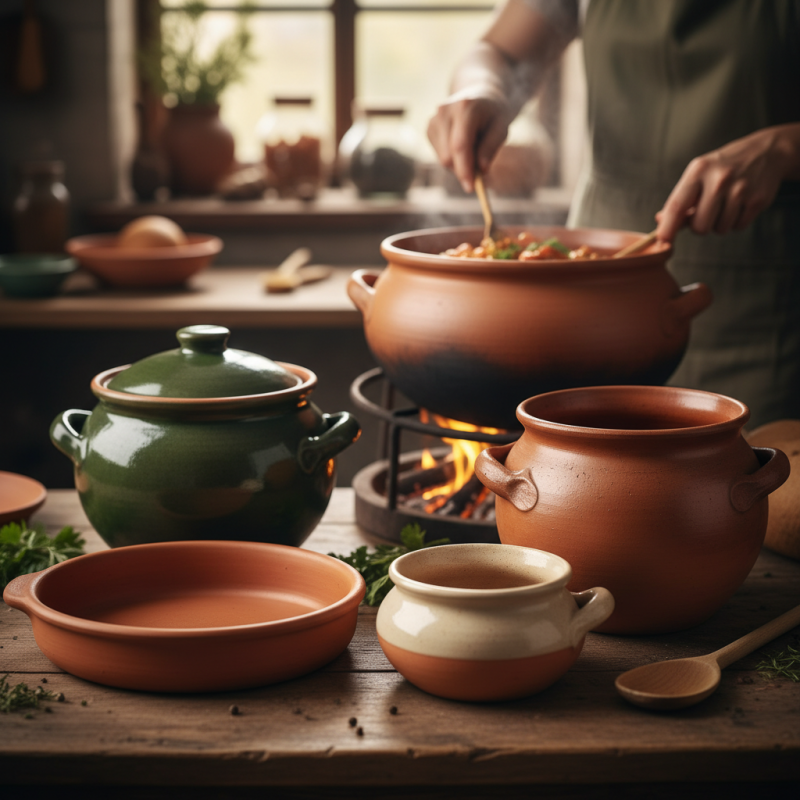
Understanding Earthenware Pots: Materials and Types
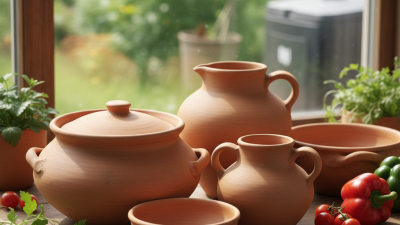
Earthenware pots are versatile and widely used in different culinary traditions. They are made from natural clay, fired at low temperatures. This process gives them a distinct porous texture. Unlike stoneware or porcelain, earthenware retains moisture and provides excellent heat retention. This makes them ideal for slow cooking and baking.
When choosing earthenware pots, consider the types available. There are glazed and unglazed options. Glazed pots are easier to clean and can prevent absorption of food flavors. Unfinished pots offer better breathability, which can enhance the flavor of your dishes. However, they may require more care to avoid stains.
Tips for selecting the right pot: Look for a pot that fits your cooking style. If you prefer braising, wide, shallow pots work well. For stews, deeper pots are beneficial. Check for imperfections, as uneven surfaces can affect cooking. Always season unglazed pots before use to prevent cracking. Choosing the right earthenware enhances your cooking experience.
Identifying Your Cooking Style and Frequency
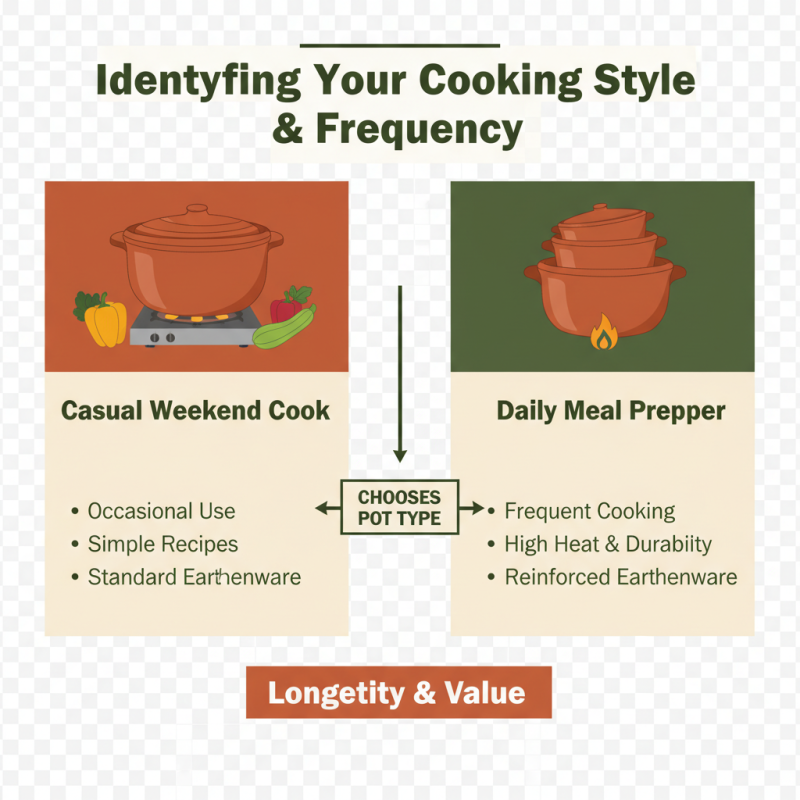
When choosing earthenware pots, understanding your cooking style is essential. Are you a casual weekend cook or a daily meal prepper? This distinction greatly influences the type of pots you'll need. If you cook regularly, consider pots that can withstand high temperatures and frequent use. Durability in your cookware ensures longevity and saves you money in the long run.
Frequency matters as well. If you entertain guests often, larger pots might be better suited to your needs. They allow you to prepare meals for gatherings. However, if you're cooking for one or two, smaller, versatile pots are ideal. They take up less space and offer flexibility for various dishes.
Reflecting on your habits can guide your choice. Are there dishes you repeatedly make? Think about how often you stew, bake, or sauté. While some might opt for an all-purpose pot, others may prefer specialized ones. Personal reflection in this decision can lead to better results in the kitchen. Acknowledging your unique style brings you closer to the perfect earthenware pot.
Assessing Size and Shape Options for Different Dishes
When choosing earthenware pots, size and shape are critical factors. For stews and soups, larger pots are ideal. They allow for ample space to simmer ingredients gently. A wide shape can enhance evaporation, creating more concentrated flavors. In contrast, smaller pots work well for side dishes. Their compact design helps in serving individual portions.
Consider the depth of the pots, too. Shallow pots are suitable for baking casseroles or gratins. They promote even browning and crispiness. Deeper pots offer better heat retention, perfect for slow-cooked meals. However, not every pot meets every cooking need. It’s essential to evaluate your cooking style and preferences.
Reflect on your kitchen space as well. Larger pots may take up significant storage. If you have limited cabinets, prioritize versatile sizes. Remember, the right pot enhances cooking but requires proper care. Check for any signs of wear over time. This can influence your cooking results. Finding the best earthenware pot means balancing these factors thoughtfully.
How to Choose the Best Earthenware Pots for Your Needs?
This chart illustrates the preferred sizes and shapes of earthenware pots based on different types of dishes. The data reflects typical user preferences in selecting pots for cooking various cuisines.
Evaluating Heat Resistance and Maintenance Requirements
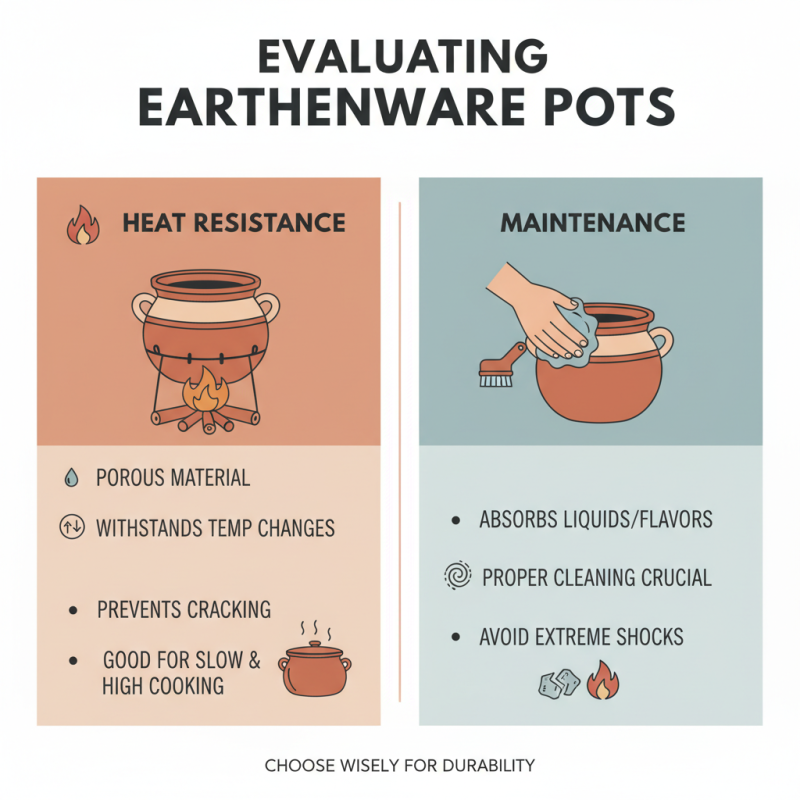
When choosing earthenware pots, heat resistance and maintenance are crucial aspects. Earthenware is porous. This characteristic means it can absorb liquids and flavors. But this also affects how well it withstands temperature changes. Selecting a pot with good heat resistance can prevent cracking. Look for pots that can tolerate both slow cooking and high temperatures.
Maintenance plays a significant role in the longevity of earthenware. Unlike other materials, earthenware requires careful cleaning. Avoid harsh detergents as they can damage the surface. Soaking is often not ideal either. A gentle scrub with warm soapy water is preferred. Some potters recommend seasoning new pots. This process creates a protective layer, enhancing durability.
However, not all pots age gracefully. Some may develop stains or odors over time. Acknowledging these issues is essential. Proper care can minimize these drawbacks. Regular inspection helps identify any cracks or wear. Over time, you might have to replace your pot. Choosing the right earthenware requires balancing heat resistance with maintenance needs.
Considering Aesthetic and Design Preferences for Kitchen Use
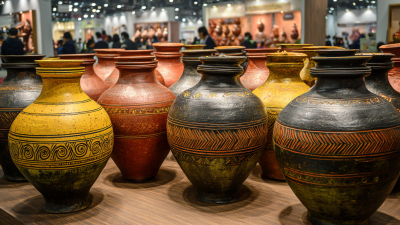
Choosing the right earthenware pots can enhance any kitchen. When considering aesthetic and design, pot colors, textures, and shapes are crucial. Their visual appeal can elevate cooking spaces significantly. A report from the Pottery Design Institute shows that 75% of people prefer unique, handcrafted designs over mass-produced options. These choices reflect personal style and can inspire creativity in the kitchen.
Consider the size and functionality of the earthenware pots. Smaller pots may be charming but can limit cooking versatility. Large pots offer more options but may consume counter space. The balance between form and function is essential. Flawed design can lead to awkward storage issues or hinder easy cleaning. According to a survey, 68% of cooks reported frustration due to pot design choices. Thoughtful consideration can prevent these common pitfalls and ensure pots serve both aesthetic and practical purposes.
How to Choose the Best Earthenware Pots for Your Needs?
| Feature |
Description |
Aesthetic Appeal |
Design Preference |
| Material Type |
Natural clay, glazed or unglazed |
Rustic and traditional |
Artisan or handcrafted |
| Size |
Varies from small to large |
Can complement kitchen size |
Can match specific kitchen themes |
| Color |
Earth tones, vibrant glazes |
Enhances visual appeal |
Works with color schemes |
| Shape |
Round, oval, square |
Diverse forms for decoration |
Modern or traditional look |
| Usage |
Cooking, serving, or decoration |
Functional and ornamental |
Tailored to specific needs |