follow us :
FUJIAN JIASHUN ARTS & CRAFTS CORP., LTD.

search

Leave Your Message

How to Choose Kitchen Food Storage Containers in 2026

Choosing Kitchen Food Storage Containers in 2026 is less about matching lids and more about matching containers to real routines. Think of last night’s soup, half a lemon, or lunch packed before sunrise. The right set should handle those foods safely, fit your shelves, and clean without a struggle. Glass offers a sturdy option for many leftovers, while lightweight plastic can be easier to carry. Check each container’s care instructions before using it in a microwave, freezer, or dishwasher. Small details matter.

Food microbiologist Dr. Donald Schaffner’s work offers a useful reminder: safe storage depends on handling, time, and temperature—not the container alone. A tight seal helps, but it cannot make food safe indefinitely. This guide will compare materials, lid designs, sizes, durability, and everyday value, with attention to the needs of different kitchens. It will also explain which features are useful and which may be marketing noise. I still reach for the wrong lid sometimes. That is a small flaw, but it shows why simple, clearly labeled sets can save time. By the end, you’ll have practical criteria for choosing Kitchen Food Storage Containers that suit your habits, your cabinet space, and the foods you actually store.
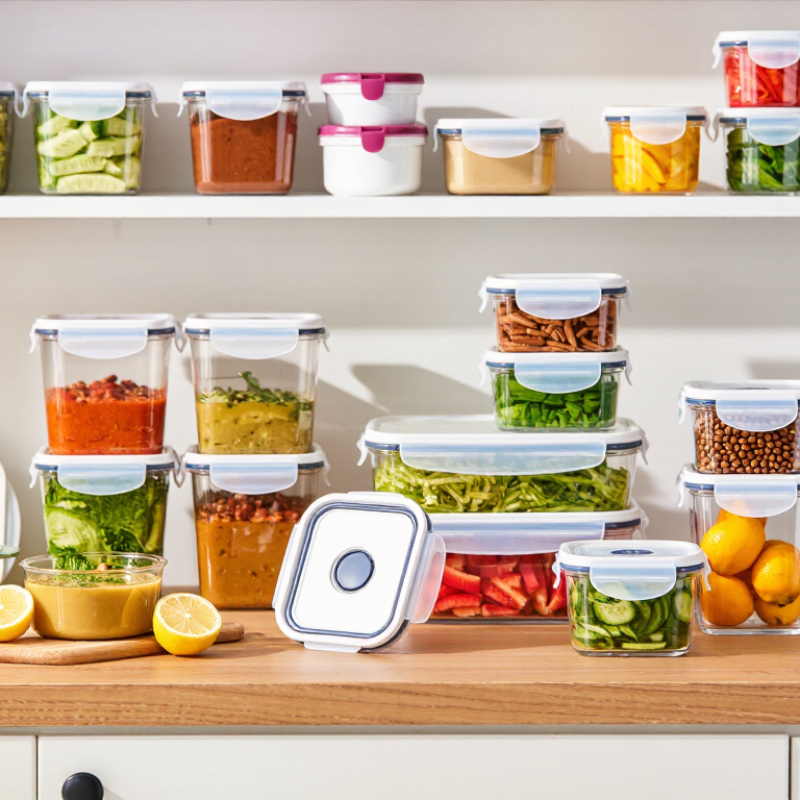
How to Choose Kitchen Food Storage Containers in 2026

Assess Your Food Storage Needs and Kitchen Habits

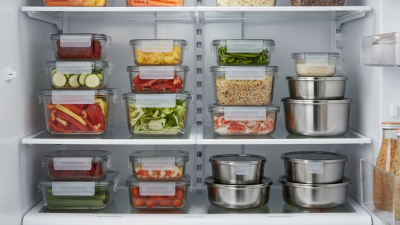
Start with what you actually store: weekday leftovers, chopped vegetables, bulk grains, or packed lunches. The right size depends on your routine, not a matching set. USDA estimates that 30–40% of the U.S. food supply is lost or wasted, though that broad estimate does not mean containers alone can solve the problem. Clear, easy-to-reach containers can make leftovers more visible. Measure your fridge shelf and freezer drawer before shopping; a tall jar that fits the counter may waste space on a crowded shelf. Think about washing, too. If hand-washing every lid feels like a chore, the system may not last.

Tips: For soups, choose leak-resistant, freezer-safe containers with room for expansion. For dry staples, prioritize airtight lids and sizes you can lift when full. Keep a few shallow containers for cooling and reheating leftovers, and label them with dates. Small details matter.

Try a one-week audit before buying: note what gets stored, forgotten, or transferred between containers. I still find that the “perfect” size can be awkward for an actual dinner portion. That is useful feedback. Choose a few versatile pieces first, then adjust based on what your kitchen really uses.
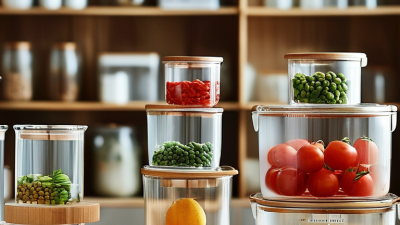
How to Choose Kitchen Food Storage Containers in 2026

Assess your food storage needs and kitchen habits

What this means: Foods have different refrigerator storage windows, so choose container sizes that fit the portions you’ll use in time. Label containers with the storage date, and keep the refrigerator at 40°F (4°C) or below.

Bars show the upper end of each recommended window. Guidance: FoodSafety.gov, Cold Food Storage Charts.

Compare Container Materials, Safety, and Durability

How to Choose Kitchen Food Storage Containers in 2026

Compare Container Materials, Safety, and Durability

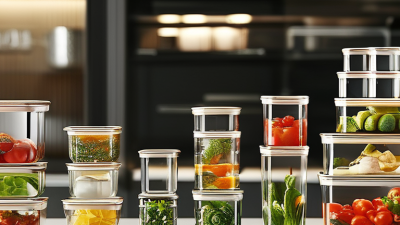
Glass resists stains and odors, and it lets you see leftovers at a glance. It is heavy, though, and a chipped rim can make a container unsafe to handle. Stainless steel is light and sturdy, but opaque sides hide what is inside. Plastic is convenient for packed lunches; still, scratches and cloudiness are signs to replace it. OECD’s Global Plastics Outlook (2022) reports that packaging accounted for 40% of global plastic waste in 2019. That figure makes long use and reuse worth considering, not just shelf appeal.

Safety depends on intended use. Check whether a container is labeled for food contact and for your planned use, such as microwave or freezer storage. A material name alone is not enough. Heat can warp some plastics, while rapid temperature changes can crack glass. Let hot food cool before sealing it, and follow the maker’s temperature guidance. Wash lids and seals carefully; crumbs tucked into a gasket are easy to miss. Small detail. It matters.

For everyday durability, inspect corners, lids, and seals before buying. A lid that flexes evenly and closes without forcing is more likely to stay useful through repeated washing. Glass suits sauces and reheating when the container is rated for it; steel works well for dry snacks and chilled lunches. Plastic keeps weight down, but avoid reusing pieces that are deeply scratched or warped. I would not choose one material for every task. That is less convenient, admittedly, but it can prevent a cracked dish or a leaky bag.

Choose Sizes, Shapes, Lids, and Stackable Designs

For a typical kitchen, choose containers for the food you actually store, not an idealized meal plan. A 250-milliliter cup suits chopped herbs or a small portion of sauce; a 1-liter box fits lunch leftovers. Check capacity and outside dimensions. A tall jar may hold plenty but miss the refrigerator shelf. Leave headroom when freezing liquids. Small details matter.

Rectangular containers use shelf space efficiently, while round ones are easier for stirring and scooping. Match the shape to the food: shallow boxes help leftovers cool more evenly than deep, crowded tubs. Check lids closely. A flexible gasket can help contain moisture, but it should lift out for cleaning. Test a soup container over the sink before carrying it in a bag. Read care instructions, too; repeated heat can warp some plastics. Glass resists staining from tomato sauce, though it is heavier.

Stackable designs help only when bases and lids sit steadily together. Look for flat lids and similar footprints, then test a small stack before buying a full set. Nesting containers save cupboard space when empty. But loose lids can turn a cabinet into a jumble. I still find this easy to overlook. Measure one shelf and one drawer first; real kitchens rarely stay perfectly organized. A slightly mismatched set may serve better than a tidy set that does not fit.

Check Appliance Compatibility and Care Requirements

Before choosing kitchen food storage containers, check where they will actually be used. Look for clear instructions covering microwave, freezer, oven, and dishwasher use; a container may be safe in one appliance but not another. Lids and seals can have different limits from the base, so check both pieces. Measure your shelves and microwave turntable, too. A container that barely fits can be awkward to handle when hot. Glass handles everyday reheating well, but avoid sudden temperature changes unless the care instructions allow them.

Care requirements matter after the first week, not just at checkout. Some lids warp on a dishwasher’s heated cycle, while silicone seals can hold onto food odors. Hand-washing may preserve them, but it takes time; I would not pretend that is always convenient. Check whether seals come apart for cleaning, and let all parts dry fully before reassembling. Replace containers with cracked edges or damaged seals, since they may no longer close reliably. Small details add up.

Tips: Keep the care label or instructions nearby. Test a new container with a short microwave cycle and check for unusual heat or warping. Don’t assume every “microwave-safe” lid can be used with the lid sealed.

How to Choose Kitchen Food Storage Containers in 2026: Check Appliance Compatibility and Care Requirements

Container Material Microwave Compatibility Oven Compatibility Freezer Compatibility Dishwasher and Care Best For and Key Checks
Borosilicate glass Generally suitable if the container is labeled microwave-safe. Remove or vent the lid unless it is specifically rated for microwave use. Many borosilicate containers are oven-safe, but temperature limits vary. Check the product instructions and do not put a cold container straight into a hot oven. Often suitable, but leave room for food to expand and avoid sudden temperature changes. Many pieces are dishwasher-safe. Hand-wash lids and seals if their care instructions call for it. A good choice for reheating and seeing contents. Check the maximum oven temperature and whether the lid is appliance-safe.
Tempered soda-lime glass Usually suitable when marked microwave-safe; use the container without its lid unless the lid is also approved. Use in an oven only when the manufacturer explicitly labels that specific piece oven-safe. Not all tempered food containers are oven-safe. May be freezer-safe when labeled. Avoid thermal shock, such as moving a frozen dish directly into a hot oven. Often dishwasher-safe, but check instructions for lids, printed markings, and seals. Useful for everyday storage. Do not assume that microwave-safe or tempered means oven-safe.
Food-grade polypropylene (PP) Use only when the container is labeled microwave-safe. Loosen or vent the lid as directed, and avoid overheating oily or sugary foods. Not suitable for conventional ovens unless explicitly rated for that use. Many PP containers tolerate freezer storage, but low temperatures can make some designs more brittle. Follow the stated limits. Some are dishwasher-safe, often on the top rack; high heat and repeated washing may cause wear or warping. Lightweight and practical for packed meals. Look for a food-contact indication and clear microwave, freezer, and dishwasher instructions.
Food-grade silicone Generally microwave-compatible when made for food use; check the stated temperature range and keep any non-silicone lid or parts out unless approved. Some products are oven-safe within a specified temperature range. The rating varies by product, so check before baking or reheating. Often suitable for freezing. Flexible walls may make full containers harder to carry when frozen. Many items are dishwasher-safe. Wash thoroughly, especially after storing oily foods, and inspect for damage or persistent odors. Flexible and space-saving. Confirm the temperature rating and whether the complete product—not just the silicone body—is appliance-safe.
Stainless steel Do not use in a microwave. Metal can cause arcing and damage the appliance. Some steel containers can go in an oven, but only if specifically rated for oven use. Remove plastic, silicone, or other non-oven-safe parts. Often suitable for storing food in a freezer; avoid tightly sealed containers if contents may expand. Many pieces are dishwasher-safe, but care varies by finish and construction. Dry promptly if the instructions recommend it. Durable for cold storage and transport. Not transparent, and never microwave the container.
Glazed ceramic Use only when labeled microwave-safe. Metallic decoration or trim can make a piece unsuitable. Use only when the specific piece is labeled oven-safe. Avoid sudden temperature changes, which can cause cracking. Use in a freezer only when the maker confirms it is freezer-safe; leave expansion space and avoid thermal shock. Dishwasher suitability depends on the glaze, decoration, and construction. Check the care instructions. Useful for serving and storage. Check every appliance rating; ceramic appearance alone does not indicate compatibility.

Selection tip: Appliance compatibility depends on the exact container, lid, seal, and any attached parts. Follow the product’s care label, avoid sudden temperature changes, and replace containers that are cracked, chipped, badly warped, or have damaged seals.

Evaluate Storage Systems, Replacement Parts, and Long-Term Value

Choosing kitchen food storage containers in 2026 means judging the whole storage system, not one attractive box. Check whether sizes nest neatly, stack without wobbling, and fit your refrigerator shelves. A container that holds leftovers but blocks the crisper can create daily friction. Measure shelf depth and cabinet height before buying. Small details matter. Matching lid shapes can reduce drawer clutter, though one missing lid may make a useful container frustrating.

Tips: Before purchasing, check whether lids, seals, and clips are available separately. Note each container’s size or model details for easier replacement. Test lids with clean, dry hands; they should close evenly without force. Seals that trap food residue can turn cleaning into a chore. Dishwasher-safe claims help, but confirm which parts tolerate repeated heat.

Long-term value is more than the price per piece. Estimate which sizes you will actually use, then look for sturdy containers with simple, replaceable parts. Glass resists staining but adds weight; lighter materials are easier to carry, yet may scratch or retain odors. No system stays perfect. A few mismatched pieces may be practical as kitchen needs change. Check for cracks, warped rims, and worn seals, and replace only parts that affect a secure closure.