What Is a Toilet Tissue Holder and How Does It Work?
A Toilet Tissue Holder is a small bathroom fitting with an important daily job. It keeps toilet paper within reach, protects the roll from damp surfaces, and supports cleaner movement around the toilet. Most models use a central spindle, spring-loaded bar, or sliding arm. The roll turns around this support as paper is pulled. Simple, but not always smooth.
Bathroom and wellness design consultant Jamie Gold offers a useful principle: “Good bathroom design makes healthy, everyday habits feel effortless.” A Toilet Tissue Holder reflects that idea through practical details. Its position should allow comfortable access without touching the wall or nearby fixtures. A correctly sized holder also prevents the roll from rubbing against tiles, cabinets, or the toilet tank.
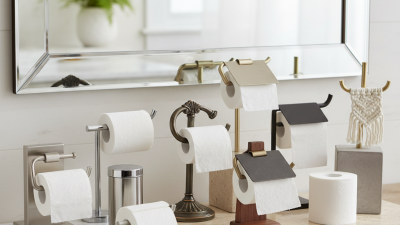
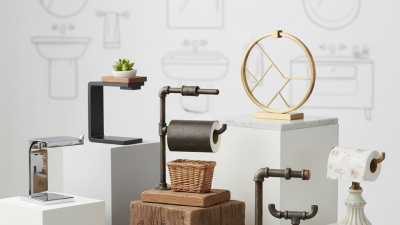
Installation changes how the holder works. Wall-mounted designs save floor space and usually provide better stability. Freestanding models suit rental homes because they need no drilling. Adhesive holders can look convenient, yet humidity may weaken their grip over time. That detail is easy to overlook.
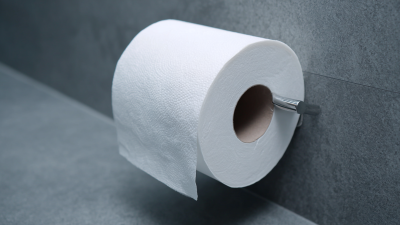
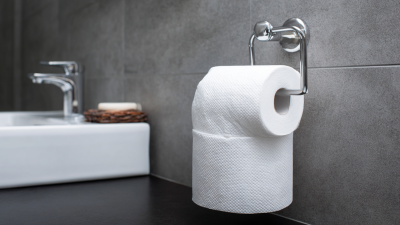
The paper direction matters, too. Many users prefer the loose sheet hanging over the top because it is easier to see and tear. Others choose the under position for a tighter appearance. Neither option is universally perfect. Household habits, hand reach, roll thickness, and bathroom layout all influence the better choice. This guide explains the main holder types, their working parts, installation considerations, and the small design decisions that affect everyday use.
What Is a Toilet Tissue Holder?
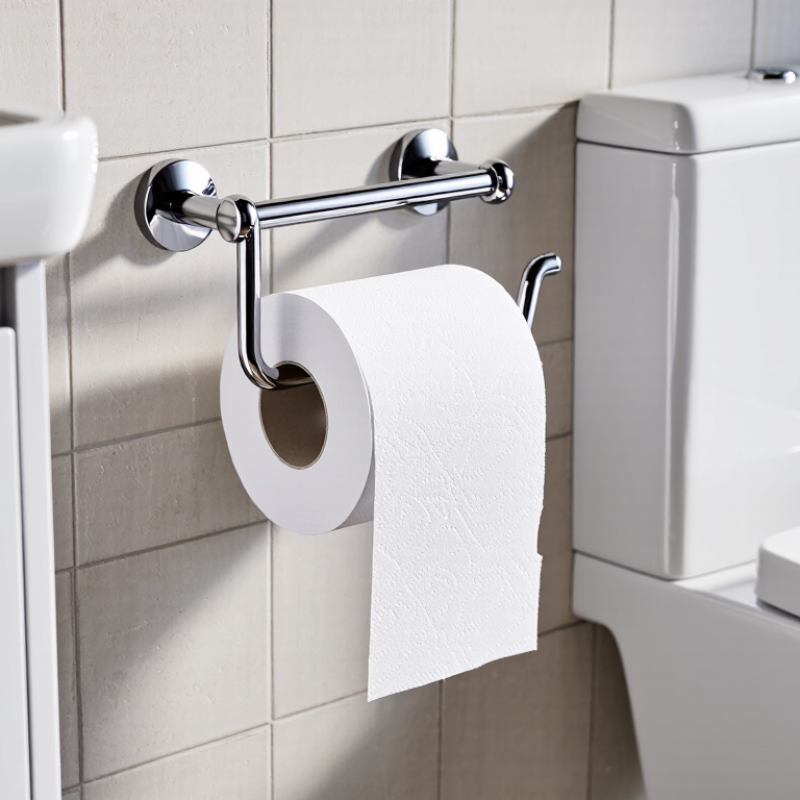
A toilet tissue holder is a small bathroom fixture designed to keep toilet paper accessible, clean, and easy to tear. It usually includes a frame, a spindle, and mounting hardware. Some models use a spring-loaded roller, while others have an open arm for quick replacement. The holder may sit on a wall, cabinet side, or freestanding base. Its position matters more than many people expect. A comfortable holder keeps the roll within reach without touching the toilet or nearby wet surfaces. Simple, but important.
In daily use, the spindle passes through the roll’s cardboard core and rests inside the frame. When you pull the loose edge, the roll rotates around the spindle and releases a sheet. Friction helps prevent uncontrolled spinning, although very light rolls can still unwind quickly. A reliable installation should match the wall material and use suitable anchors or screws. On tiled surfaces, drilling slowly helps reduce cracking. I have found that loose hardware creates more trouble than a complicated design. This detail is easy to overlook.
Materials also affect performance. Powder-coated metal resists ordinary bathroom moisture, while solid plastic feels lighter and usually will not rust. Stainless steel can be durable, but its finish still needs regular wiping. Clean the holder with a mild household cleaner and dry it afterward. Avoid soaking internal parts. Sharp edges, unstable bases, or a spindle that falls out can make a basic fixture frustrating. The best choice depends on available space, user mobility, and cleaning habits. A holder is not merely decoration; it is a small contact point used many times each day.
Key Parts and Materials of a Toilet Tissue Holder
What Is a Toilet Tissue Holder and How Does It Work?
A toilet tissue holder has four practical parts: a backplate, mounting bracket, spindle, and end caps. The backplate fixes the unit to a wall or cabinet. Screws, anchors, or adhesive pads carry the load. The spindle passes through the tissue roll and lets it rotate. A spring-loaded or pivoting spindle makes replacement faster. Small part. Big effect.
Materials determine strength, feel, and maintenance. Stainless steel resists bathroom humidity and usually lasts longer than untreated steel. Zinc alloy feels heavier, but its surface can chip after repeated impacts. ABS plastic is light, affordable, and less likely to rust. However, thin plastic may flex when users pull tissue quickly. Grand View Research’s 2024 Toilet Paper Market report estimated the global market at about 35 billion dollars in 2023, showing why reliable dispensing hardware matters across homes and commercial facilities. Smithers’ global tissue and hygiene research also identifies durability, hygiene, and material efficiency as continuing design priorities. In practical inspections, wobbling often comes from loose anchors rather than a weak roller. I have seen that mistake repeatedly. A level backplate, firm fasteners, and smooth spindle movement usually prevent it. Yet friction should not be excessive. Otherwise, the holder may tear the sheet instead of feeding it cleanly.
How a Toilet Tissue Holder Holds and Dispenses Paper
A toilet tissue holder is a small fixture with a practical job: it keeps the roll aligned, protected, and easy to tear. Most designs use a spindle that passes through the cardboard core. Spring-loaded ends or side brackets hold the spindle in place. When you pull the loose sheet, the roll rotates around its center. Friction between the spindle, core, and holder controls the speed. Too little resistance makes the roll unravel. Too much makes one-handed use frustrating.
Placement affects dispensing more than many people expect. A holder positioned near the toilet lets users reach the paper without twisting or standing. The 2023 International Plumbing Code recommends accessible clearances around plumbing fixtures, although exact requirements vary by building type and jurisdiction. Practical testing also matters. I have found that a slightly forward position often feels easier than a perfectly centered one. That is not universal. Users with limited mobility may need a different height or angle.
The holder should support a full roll without sagging. A 2023 U.S. Environmental Protection Agency report notes that toilets account for nearly 30% of indoor household water use. A tissue holder does not reduce flushing demand, but it supports cleaner, more controlled use beside a water-intensive fixture. The WHO and UNICEF Joint Monitoring Programme reported in 2023 that 3.5 billion people lacked safely managed sanitation services. That figure makes everyday restroom details feel less trivial. A loose spindle is minor, yet poor design becomes noticeable every day.
Common Types and Installation Methods
What Is a Toilet Tissue Holder and How Does It Work?
A toilet tissue holder keeps paper within easy reach and supports smooth, one-handed tearing. Common designs include wall-mounted, freestanding, recessed, and double-roll holders. Pivoting arms simplify refills, while spring-loaded rollers keep the roll centered. It looks simple. Yet placement affects comfort, hygiene, and daily movement.
Wall-mounted models usually attach with screws and wall anchors. This method offers the strongest hold on tile, drywall, or wood. Adhesive mounting avoids drilling, but it needs a clean, dry surface and correct curing time. Suction models suit temporary use, although steam and textured tiles can reduce their grip. Recessed holders create a neat profile, but installation requires cutting into the wall. That is not a casual weekend decision.
The U.S. Environmental Protection Agency reports that toilets use nearly 30% of indoor household water. This figure makes moisture-resistant hardware and easy cleaning more important than appearance alone. The National Kitchen and Bath Association’s 2024 Bath Design Trends Report also highlights accessibility and storage as major bathroom priorities. Install the holder about 26 inches above the floor, near the front edge of the toilet, where possible. In practice, I have seen holders placed too far behind the user. A small mistake, repeated daily, becomes irritating. Measure twice, then test the reach before drilling.
How to Choose and Maintain a Toilet Tissue Holder
What Is a Toilet Tissue Holder and How Does It Work?
A toilet tissue holder keeps a roll aligned, covered, and easy to tear with one hand. Most models use a spring-loaded bar, while fixed designs slide onto a wall-mounted spindle. The mechanism is simple, but placement affects daily comfort. Install it beside the toilet, about 65 centimeters above the floor and within easy reach. Check local building guidance before drilling.
Material matters. Stainless steel resists bathroom humidity better than untreated mild steel. Solid plastic costs less and will not rust, though it may become brittle over time. A 2023 Grand View Research report valued the global bathroom accessories market at about USD 22.2 billion, showing strong demand for practical, durable fittings. That market growth does not guarantee quality. Inspect the base, screws, and roll clearance yourself. A holder that wobbles is already failing.
Choose a smooth surface with concealed edges, especially in homes with children or older users. Avoid deep grooves that trap dust and moisture. During cleaning, remove the roll, wipe the holder with mild soap, and dry it completely. Do not soak wooden or poorly sealed parts. Test the screws every few months. I once trusted adhesive mounting on a damp tile; it held briefly, then dropped overnight. Mechanical fixing is usually safer, but even that deserves periodic inspection. A small design detail can prevent a surprisingly irritating mess.